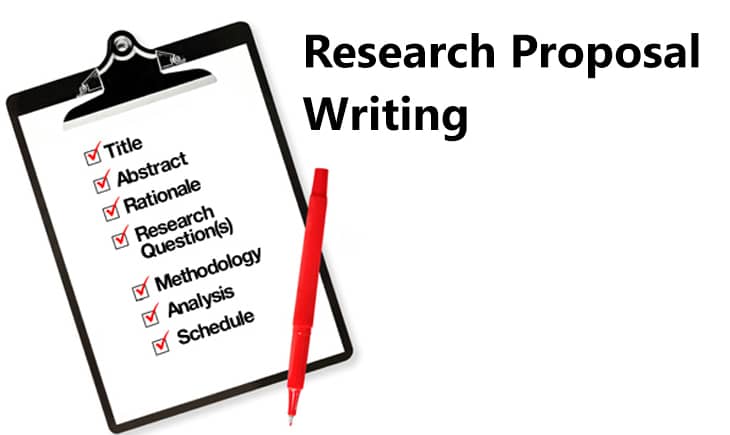
ICSSR grant proposal, DST funding for PhD, UGC major research project, how to write a grant proposal, research funding in India, McKinley Research proposal help.
“I Have the Data… Now What?” From Excel Chaos to Statistical Clarity
You spent months designing your questionnaire. You chased respondents for weeks. Finally, you have your dataset—a massive Excel sheet with thousands of rows and columns. And now, you are stuck. For many researchers (and business owners), this is the “Data Paralysis” moment. You know you need to find answers, but you don’t know whether to run a T-Test or an ANOVA. You’ve heard terms like “Structural Equation Modeling” (SEM), but you have no idea how to apply them. At McKinley Research, we speak the language of numbers so you don’t have to. Here is why the Analysis Phase is where your research actually comes alive—and how to navigate it. 1. Data Cleaning: The Step Everyone Skips Before you run a single test, you must clean the mess. We run rigorous Data Screening protocols to ensure your dataset is pristine before analysis begins. 2. Choosing the Right Tool (SPSS vs. AMOS vs. R) Not all software is created equal. 3. The “Hypothesis Testing” Game This is the moment of truth. 4. Interpreting the Output (The “So What?” Factor) Software gives you a table of numbers. It doesn’t tell you what they mean. 5. Visualizing the Model A dense table is boring. A Path Diagram is compelling. We create professional Path Diagrams that visually map out the relationships between your variables. These visuals are critical for PowerPoints and Thesis presentations, allowing your audience to grasp your model in seconds. Conclusion Statistics isn’t about being a math genius; it’s about finding the story hidden in the numbers. Don’t let a “fear of stats” delay your submission or your business decision. Contact McKinley Research’s Analytics Team today. Send us your Excel sheet, and we will send you back a Strategy.
No Data? No Problem. How to Publish High-Impact Research Without Leaving Your Desk
Systematic Literature Review (SLR) help, Meta-Analysis for PhD, Desk Research for business, PRISMA guidelines, publishing a review paper.
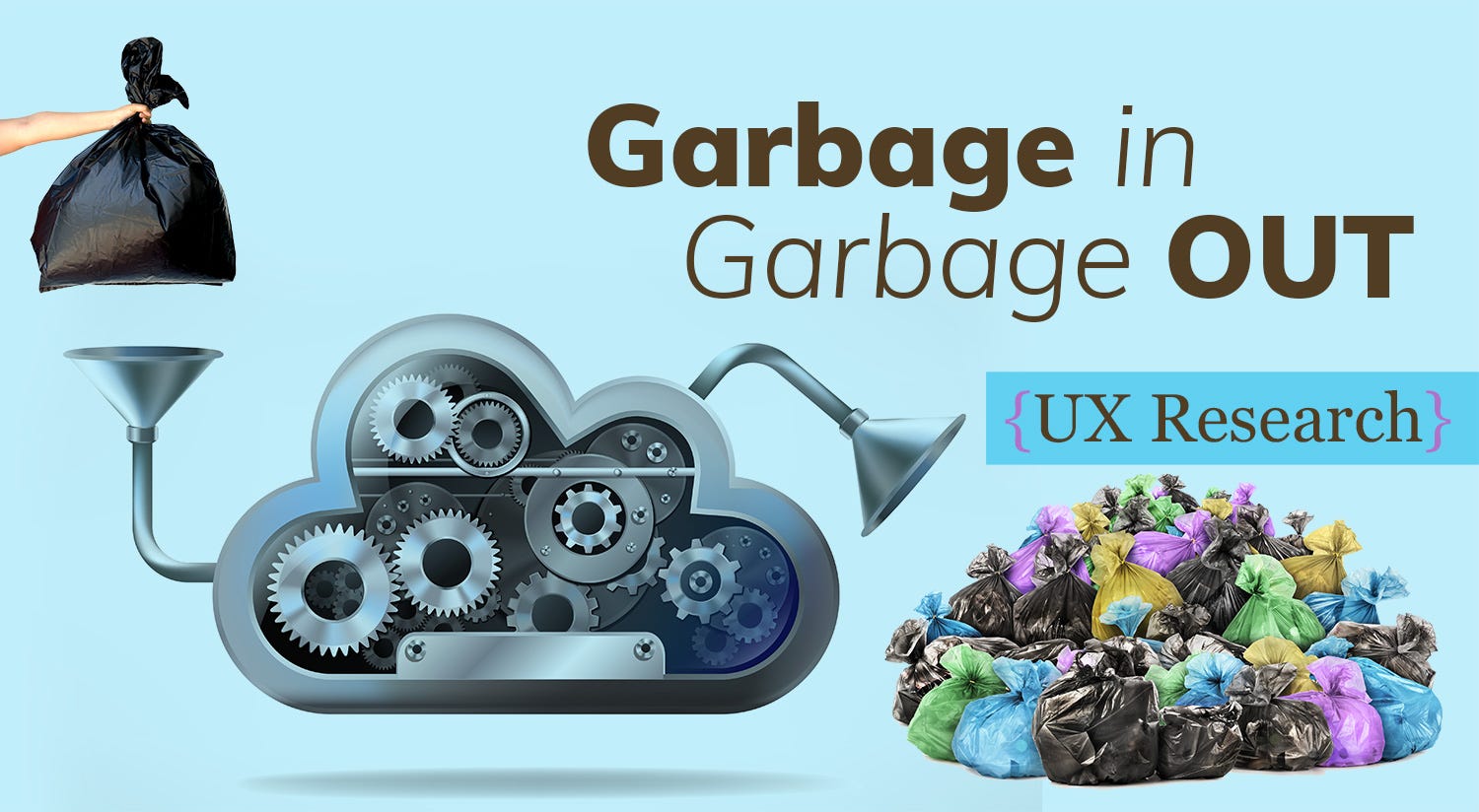
Garbage In, Garbage Out: Why Cheap Data Collection is Killing Your Research
Field survey quality control, avoiding fake survey responses, PhD data collection help, market research field agency, GPS enabled data collection.

Saving Lives vs. Writing Thesis: Why Doctors Need Specialized Research Support
MD/MS dissertation help, biostatistics for doctors, clinical research protocol writing, medical manuscript editing, DNB thesis assistance.
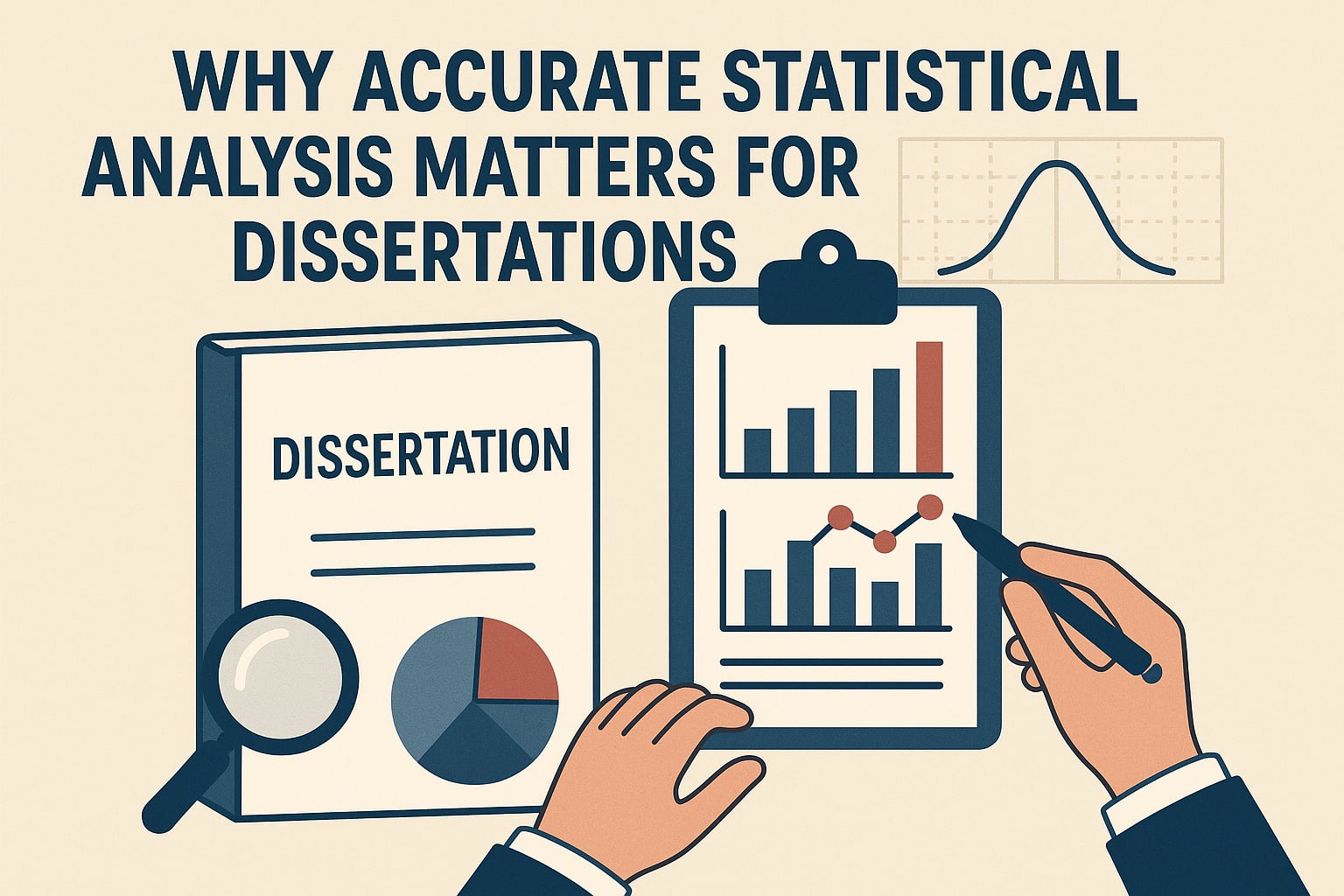
Drowning in Data? How to Master Statistical Analysis for Your PhD Thesis
SPSS data analysis services, SEM analysis using AMOS, statistical consulting for dissertation, hypothesis testing help, interpreting research results.

Beyond the Numbers: Why Your PhD Needs Expert Qualitative Research Support
Focus Group Discussion (FGD) moderation, In-depth interviews (IDI) for PhD, qualitative data transcription, NVivo analysis help, market research fieldwork.

5 Signs You Need Professional Help with Your PhD Thesis (Before It’s Too Late)
You have done the fieldwork. You have crunched the numbers. But now comes the most intimidating part of the entire PhD journey: The Writing. Turning years of research into a 200+ page book that is coherent, academically rigorous, and grammatically perfect is a massive challenge. Many scholars get stuck in the “drafting phase” for years. At McKinley Research, we believe your degree shouldn’t be delayed just because you are struggling to find the right words. Here are 5 signs that it is time to bring in a professional academic writer or editor. 1. You Have “Writer’s Block” for Weeks It is normal to get stuck for a day or two. But if you have been staring at Chapter 2 (Literature Review) for a month without writing a single page, you are losing valuable time. 2. Your Supervisor Says Your Flow is “Disjointed” You know what you mean, but your guide doesn’t. A common feedback is that the thesis “lacks a red thread”—meaning the arguments don’t connect logically from one paragraph to the next. 3. You Are Worried About “Unintentional Plagiarism” Even if you wrote every word yourself, poor paraphrasing can trigger high similarity scores on software like Turnitin or DrillBit. 4. You Struggle with Academic English If English is not your first language, you might struggle with the specific formal tone required for a PhD. Using casual words, weak verbs, or incorrect tenses can make your hard work look amateurish. 5. The Formatting Nightmare APA, MLA, Chicago, Harvard… spending nights fighting with Microsoft Word margins, page numbers, and bibliography indentation is not the best use of your brainpower. Conclusion Asking for help isn’t “cheating”—it is project management. Just as a CEO hires an accountant, a smart researcher hires an editor to ensure their final product is flawless. Don’t let the writing process become a bottleneck. Contact McKinley Research today to discuss where you are stuck, and let us help you cross the finish line.

Beyond the Manuscript: How to Ensure Your Paper Gets Accepted in Scopus Journals
Research paper publication help, Q1 journal selection, manuscript editing services, avoiding predatory journals, peer review support.

From Field to Findings: Why Reliable Data Collection is the Heart of Your PhD
PhD market research, primary data collection for thesis, quantitative survey programming, qualitative research transcription, fieldwork services for researchers.